












A dark gray furnace with two access panels stands in a basement, connected to galvanized sheet-metal ductwork and PVC pipes, with exposed wood framing and a bare bulb light in the background.

Skip calling around

How often to change your furnace filter in Rhode Island

A furnace filter sounds like a one-size-answer question, but how often yours needs changing depends on the filter you bought and how much your furnace runs once the cold sets in. This page gets into what changes that answer. Skip the search for a contractor, the calls, and explaining your setup more than once. Get matched with one licensed Rhode Island pro who knows gas furnaces and can look at yours directly.

Skip the calls

A basic fiberglass filter needs changing every 30 days once the furnace is running regularly. A pleated filter can go 60 to 90 days. The difference comes down to how much the filter actually traps and how much air the furnace has to push through it to keep working. Rhode Island winters mean the furnace runs for months straight, often daily, which loads up a filter faster than it would in a season of light use. A clogged filter makes the furnace work harder to move the same amount of air, and that strain shows up on a gas bill before it shows up as a breakdown. Check the filter monthly during the winter stretch even if you're on a 90-day pleated filter, because a dusty house or a pet in it can fill a filter well before the box says to change it. If you can see dust built up on the surface, it's already past time.

Winter nights average 23°F statewide

At 23°F, your furnace is running most of the night to hold the house, not cycling on and off a few times. That steady draw pulls more air through the filter, so a fiberglass one can clog before the 30 days are up. Check it partway through a cold stretch instead of waiting for the calendar.

NOAA nClimDiv 1991-2020 county normals weighted by homes

A smiling woman with dark shoulder-length hair in a cream V-neck sweater sits at a marble counter with a glass of red wine, with a kitchen and softly lit living room behind her.
A woman in a dark green sweater laughs while seated at a marble kitchen island with a glass of red wine, with open shelving, cabinets and a living room visible behind her.
A woman with long dark hair in a cream knit sweater laughs while looking off to the side, seated at a counter with a glass of red wine, in a dimly lit living room with a sofa, lamp, framed pictures and houseplant behind her.
A smiling woman with long dark hair in a beige sweater sits at a marble kitchen counter with a glass of red wine, with a dimly lit living room behind her.
  1. Cold air returns pull room air through the filter into the blower

  2. Dust and fibers catch on the filter's surface as air passes through

  3. A clogged filter forces the blower motor to work harder to pull air

  4. Restricted airflow can make the heat exchanger run hotter than it should

A beige furnace with a louvered front panel and metal ductwork stands on a concrete basement floor beside pipes and a white cylindrical water heater.
Before you get your furnace maintenance
A gray high-efficiency furnace in a basement with PVC venting pipes, a yellow gas line, metal ductwork, concrete walls and floor, and a wood-framed stairway at left.
After you get your furnace maintenance

Fiberglass vs. Pleated Filter

Fiberglass filter

  • Costs less to buy, but you're replacing it every 30 days once the furnace runs most nights.
  • Traps the big stuff but lets a lot of fine dust through, so it does less for the air in the house.
  • A thin filter puts less strain on the blower motor, since air moves through it easily even when it's dirty.
  • Once outside temperatures drop into the 20s and the furnace runs long stretches, this one can clog before the 30 days are up.
  • Cheap enough to check and swap on a set schedule without thinking much about it.

Pleated filter

  • Costs more upfront, but goes 60 to 90 days between changes instead of 30.
  • The folded material gives more surface area, so it catches finer dust and holds more of it before clogging.
  • A clogged pleated filter restricts airflow more than a clogged fiberglass one, since the blower has to pull harder through the denser material.
  • Worth checking partway through a cold stretch, since heavy nightly runtime can shorten the 60 to 90 day window.
  • Fewer trips to swap it out, which matters if you're not the type to remember a monthly reminder.
A furnace in a dim basement with a dirty pleated air filter partially pulled out of its slot, beside a water heater and concrete walls and floor.

You go down to check the filter on a Saturday afternoon in October, the first real cold snap behind you. The furnace has been running most nights for a week. You slide the filter out and it's grey, matted with dust, the pleats barely visible under it. It's only been in there a few weeks. You hold it up to the bulb overhead and can't see light through half of it. You'd meant to check it next month. Upstairs the thermostat clicks and the blower kicks on, pulling at the open slot where the filter should be. You set it on top of the dryer and go looking for a replacement box in the utility shelf.

Describe it once

Your request goes to one pro, not a list of companies.

Sending the form costs nothing.

Rhode Island's wiring makes this costly

Electricity here runs among the highest rates in the country, and a clogged filter is one of the few furnace problems that shows up directly on that bill. The blower motor is sized to move a certain volume of air. When the filter is clogged, the motor doesn't move less air for less effort, it pulls harder to move the same amount through a smaller opening. That extra draw happens every time the furnace cycles on, all winter. A filter changed on schedule keeps the blower working at the draw it was built for instead of fighting a wall of dust for months.

Gas furnaces depend on steady airflow

Most homes in Rhode Island heat with gas, and a gas furnace needs a certain volume of air moving across the heat exchanger to carry the heat away properly. When a filter is so clogged that airflow drops well below what the furnace is built for, the heat exchanger runs hotter than it should, cycle after cycle. This is why the filter matters more than it looks like it should for something that costs little and takes a minute to swap. It's the one part standing between a furnace running the way it was designed to and one working against itself every night it runs.

A smiling bearded man in a navy sweater sits at a candlelit dinner table with a glass of red wine, a bowl of salad, and plates of food in the foreground.
A woman with dark hair in a bun reclines on a sofa with her eyes closed, wrapped in a cream fleece blanket, a closed blue hardcover book resting in front of her, with a lit lamp and a vase of dried flowers in the background.
A gray high-efficiency furnace stands on a concrete basement floor beside galvanized sheet-metal ductwork, with white PVC vent pipes, gas and water lines, and unfinished wood framing behind it.

Filter changed on schedule

Air moves through the pleats and the blower runs at the draw it was built for. The furnace cycles the way it's supposed to, pulling room air through the return and back out warm. Nothing in the system is working around a blockage, so the heat exchanger runs at a normal temperature night after night.

A beige furnace with two louvered front panels stands on a concrete basement floor beside galvanized ductwork, metal pipes, and a wooden post.

Filter left too long

Dust has matted across the pleats until barely any surface is open. The blower strains to pull air through what's left, and the draw shows up on the electric bill before anyone checks the filter itself. Left long enough, the heat exchanger runs hotter than it should on the far side of that restriction.

Does the thermostat setting affect how often I need to change the filter?

You keep the thermostat at a steady setpoint all winter, maybe bumped up a few degrees at night, and you're wondering if that habit is part of what's clogging the filter faster than you expected. It seems like a reasonable thing to track alongside the outdoor temperature.

Yes, a higher setpoint means more runtime and a faster-clogging filter

The thermostat setting controls how often the burner fires, and that controls how much air gets pulled through the filter. Set it at 72 and the furnace cycles on more through the night than it would at 68. Every one of those cycles runs air, and whatever's floating in that air, across the filter. Two houses on the same street, same furnace, same filter, can be on different replacement schedules just because one thermostat sits four degrees higher than the other. If you keep your house warmer at night or run it warm all day while you're home, check the filter more often than the 30 or 60 day mark the box suggests. The setting isn't a separate factor from the cold outside. It's the thing that turns outdoor temperature into actual blower runtime.

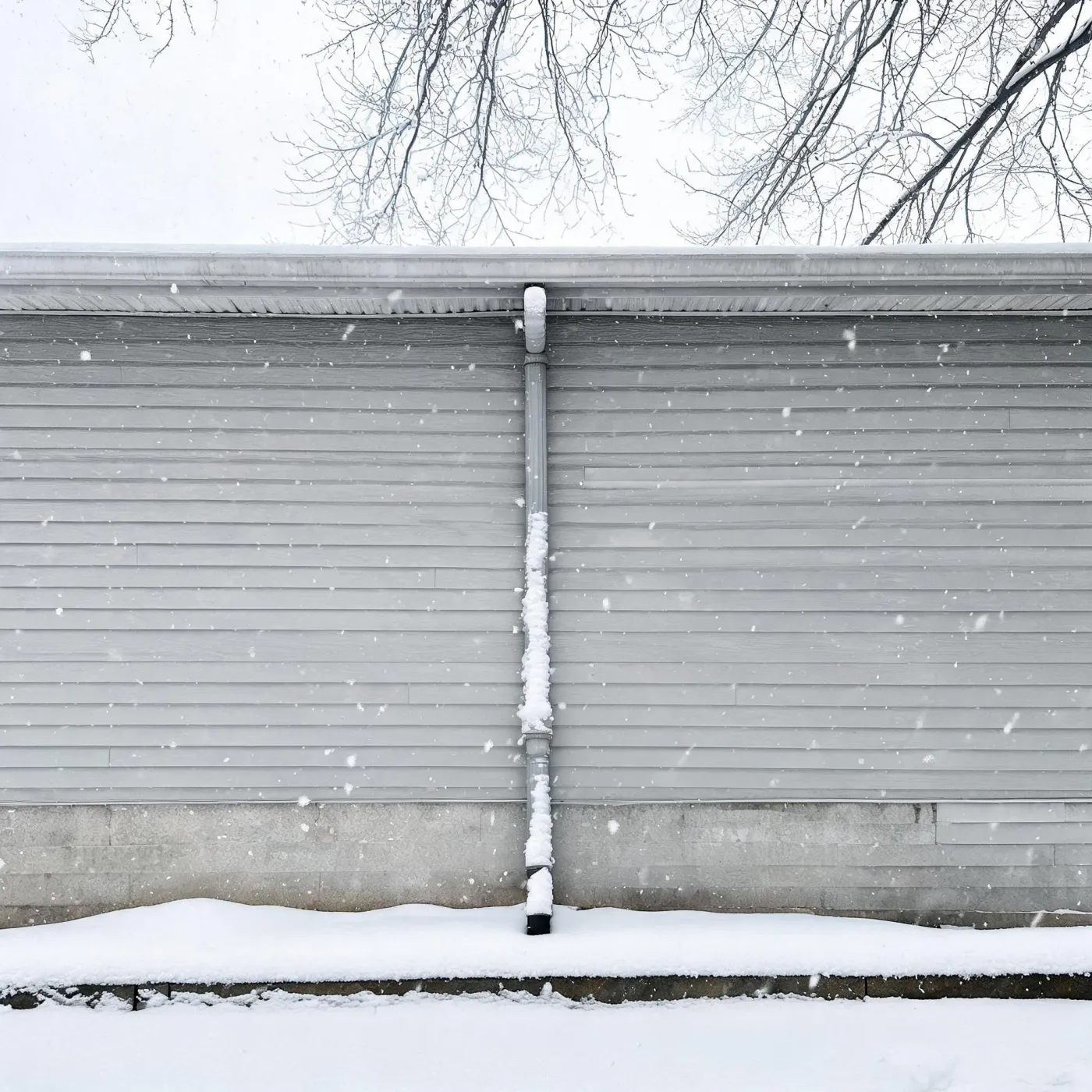
Gray horizontal lap siding on a building above a concrete block foundation, with a central downspout partly coated in snow, falling snowflakes, snow-covered ground, and bare tree branches against a white sky.

Statewide, winter nights average 23°F, and your furnace is what's keeping the house out of that. On a night that cold it isn't cycling on and off, it's running close to straight through until morning, pulling air through the return and across the filter the whole time. That's a lot more air passing through than on a mild 40° night. You'll notice the filter looking dirty sooner than the box it came in suggests, and the furnace itself may run louder or longer to hold the same temperature if the filter's choking off that airflow. Source: National Weather Service.

NOAA nClimDiv 1991-2020 county normals weighted by homes

A closed laptop and a cream mug of coffee on a coaster sit on a dark wooden table, with a potted plant at left and a kitchen counter, tiled backsplash and shelf of ceramics in the background.

Check the filter, don't guess

Thirty days for fiberglass, 60 to 90 for pleated. That's the answer, and once you know which filter is in your furnace, the schedule takes care of itself. Write the date on the frame when you swap it and you'll never have to wonder again.

What takes the actual time isn't the filter. It's finding someone who'll show up, look at the whole system while they're there, and tell you straight if the blower or the exchanger took any strain from months of a clogged one. That usually means calling around, explaining the same thing three times, and sorting through quotes that don't match up. A local contractor who services furnaces all winter has already seen what a Rhode Island heating season does to a filter that got ignored, and you'd be working with the one who's coming, not fielding calls from five who might.

A gray upholstered sofa with a textured cushion sits beside a dark round side table holding a vase of green foliage, with a table lamp and sheer-curtained window behind.
A gas furnace with attached PVC and metal piping and sheet-metal ductwork stands on a concrete pad in a dim unfinished basement with concrete walls and exposed floor joists.

No phone calls to make

The pro who reaches out is licensed in Rhode Island.

Step 1 of 3: Equipment


