

Why one room stays cold in a Rhode Island winter

Fill out one short form instead of calling around.

Fill out one form

Why is one room in my house always cold in the winter?

You've shut doors, run space heaters, maybe swapped out a thermostat, and one room in your house still won't hold heat once a Rhode Island winter sets in. It's usually the same room every year, and the rest of the house seems fine. You want to know if something is actually wrong with the furnace or the ductwork, or if that room is just built to lose heat.

Usually it's not getting enough warm air, not that it's leaking heat faster than other rooms

Most of the time the duct feeding that room is undersized, pinched somewhere, or just far from the furnace, so by the time air gets there it's lost its push. A register that's mostly closed or blocked by furniture cuts the flow further. Sometimes the duct run itself has a disconnect or a crushed section you'd never see without pulling back insulation. In a Rhode Island winter, when outdoor temperatures sit in the 20s and 30s for weeks, a room already getting a weak supply of warm air falls behind fast and never catches back up, even with the thermostat set the same as every other year. A contractor can check airflow at that register against one in a room that heats fine and tell you quickly whether the fix is in the ductwork, the register, or somewhere else in the system.

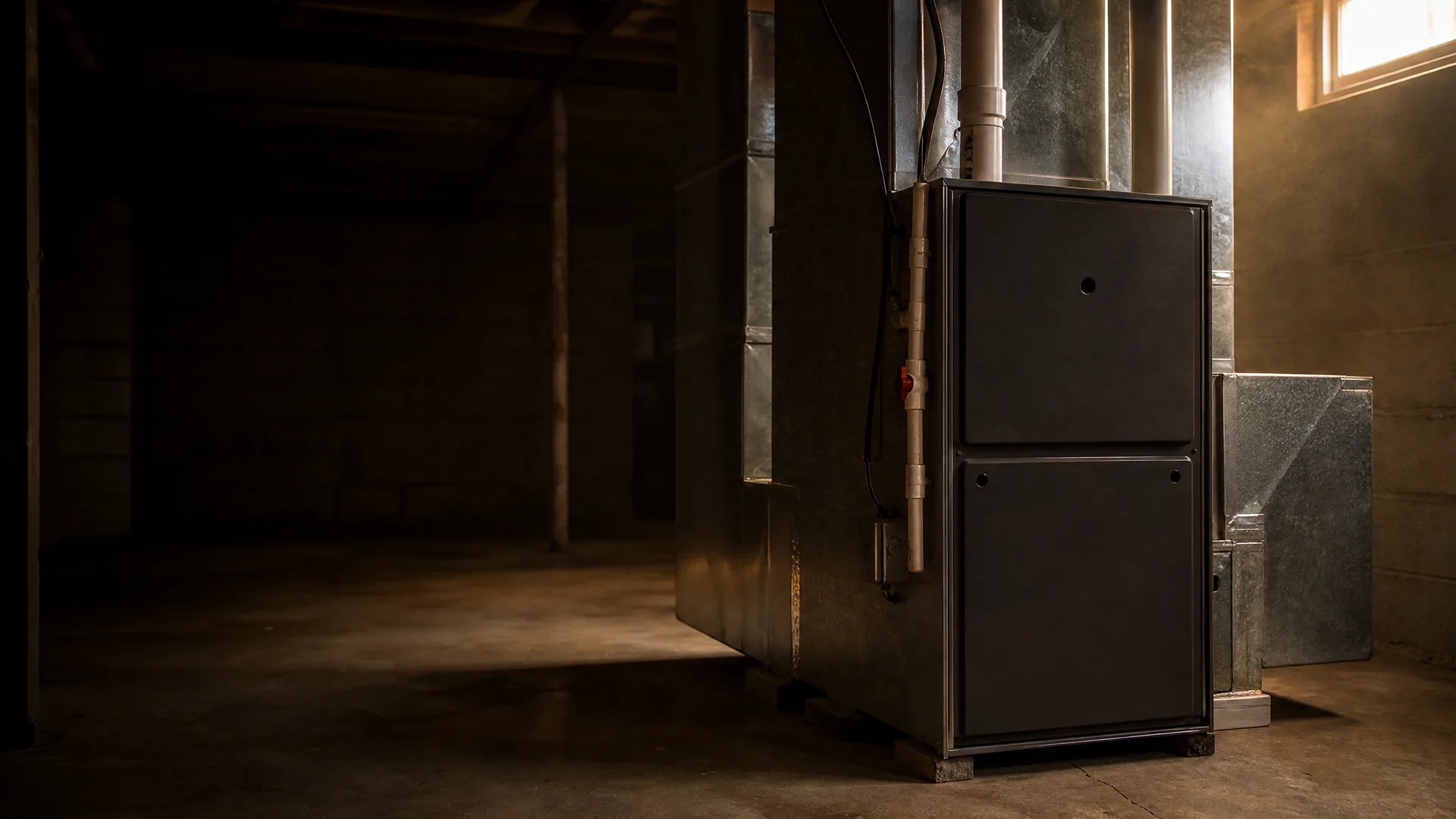
A dark residential basement with a concrete floor and block walls, containing a furnace with two access panels connected to galvanized sheet-metal ductwork and a white vent pipe, lit by a small window at upper right.

You're down in the basement around six, after dark already, and you catch it out of the corner of your eye: the furnace isn't running. No hum, no glow from the sight window, nothing. You put your hand near the cabinet and feel no warmth coming off it at all. Dust hangs in the air where the light from the stairs cuts through, the kind that's always there but you only notice it when the blower isn't pushing air past it. Upstairs that one room has gone from just cold to flat cold, and standing down here in front of the dark furnace, you understand why. Nothing upstairs was ever going to fix this.

Duct Issue or Furnace Issue

A Duct Problem

  • The cold room sits at the end of a duct run, and the one or two rooms farthest from the furnace are usually the ones that lose the most heat on the way.
  • A damper inside the duct to that room may be partly closed, something a contractor can check without opening up any walls.
  • If the duct run to that room has a leak or a loose joint, the warm air is going into a wall cavity or a crawlspace instead of the room.
  • A bent or crushed section of duct restricts how much air can get through, even if the furnace itself is running fine.
  • This kind of problem usually shows up in one room only, while the rest of the house heats evenly.

A Furnace Problem

  • If more than one room runs cold, or the whole house takes longer to warm up, the furnace itself is more likely the cause.
  • A failing igniter or a dirty flame sensor can cause the furnace to shut off early or short cycle before it heats the house through.
  • A clogged filter cuts down the airflow the furnace can push out, and the rooms farthest from it feel that first.
  • A blower motor that's lost strength won't move enough warm air to reach every room before the furnace shuts off for that cycle.
  • Gas heat relies on steady airflow across the heat exchanger, so a problem there can affect the whole system, not just one room.
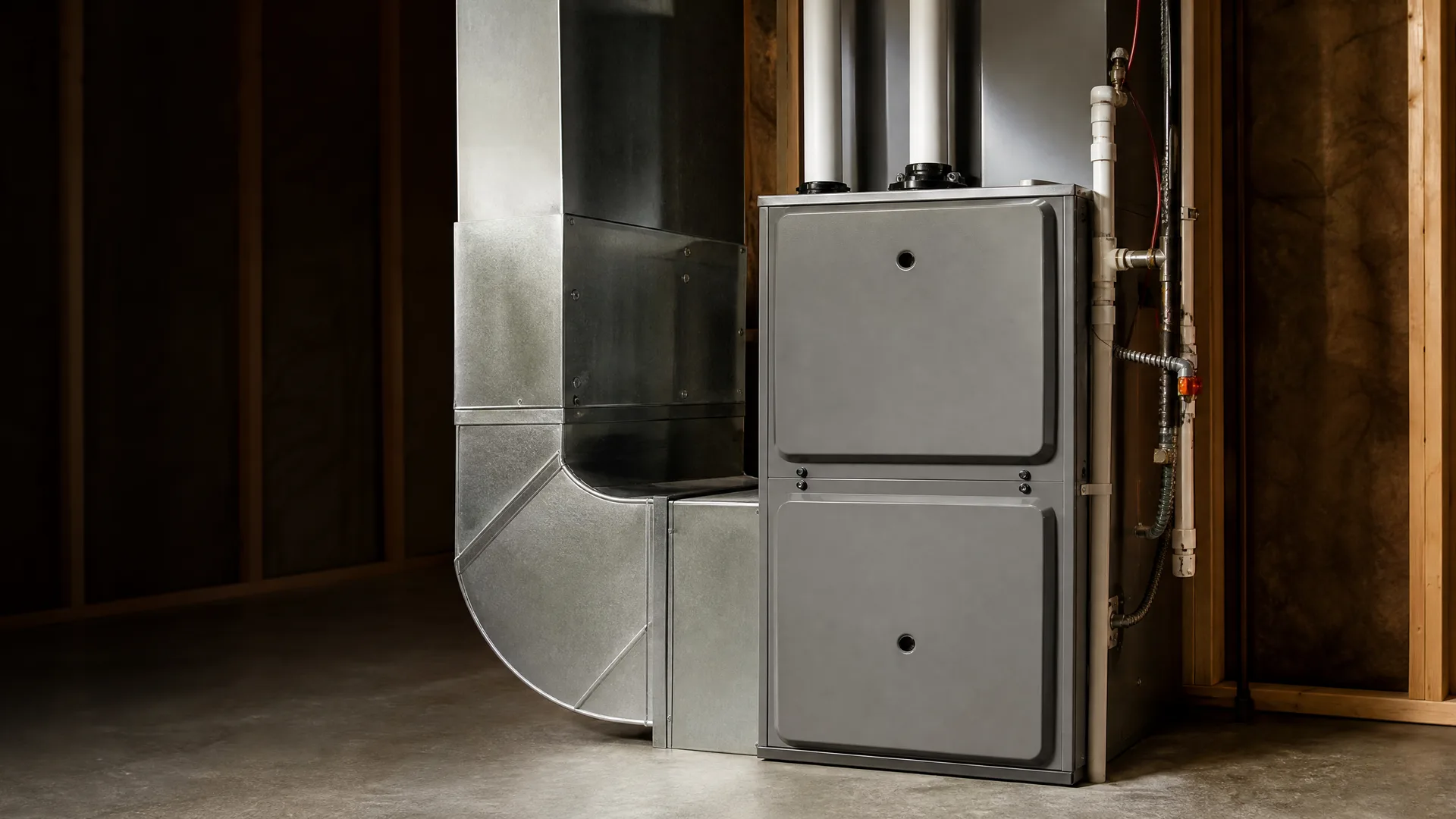
A beige high-efficiency furnace stands on a concrete basement floor beside sheet-metal ductwork, with white PVC vent pipes and a gas line running along an insulated wood-framed wall.

Furnace running as it should

This is what a gas furnace looks like doing its job: steady, warming the whole house evenly, no cold room to fight. The flue pipes, gas valve and ductwork all tie into one system moving heat to every room at the rate it was sized for. When it's balanced like this, one room going cold points to something local to that room, not the furnace itself.


An older metal furnace with a louvered front panel stands against a concrete basement wall, connected to sheet-metal ductwork and a flue pipe, with copper and steel pipes running alongside.

Furnace losing ground

A furnace this age can still run every day and still be why one room never gets warm. Dust built up on the cabinet, worn vents, a blower that's lost some of its push. It doesn't have to fail outright to shortchange the room farthest from it. A contractor who sees furnaces like this every winter can tell you if yours is part of the problem.

A gray-haired bearded man in a dark knit sweater sits on a light gray sofa in a sunlit living room, looking to his left, with a framed artwork, a potted palm, and a curtained glass door behind him.
A middle-aged man in a dark green sweater sits on a light grey sofa looking toward a sunlit window, with a wooden shelving unit, lamp and potted plants in the background.
A man in a dark green sweater sits on a light grey sofa in a sunlit living room, looking to his left, with a shelving unit, houseplants, framed art and a large window behind him.
A gray-haired bearded man in a dark green sweater sits on a light gray sofa in a sunlit living room with a potted plant, framed picture, and dark shelving in the background.
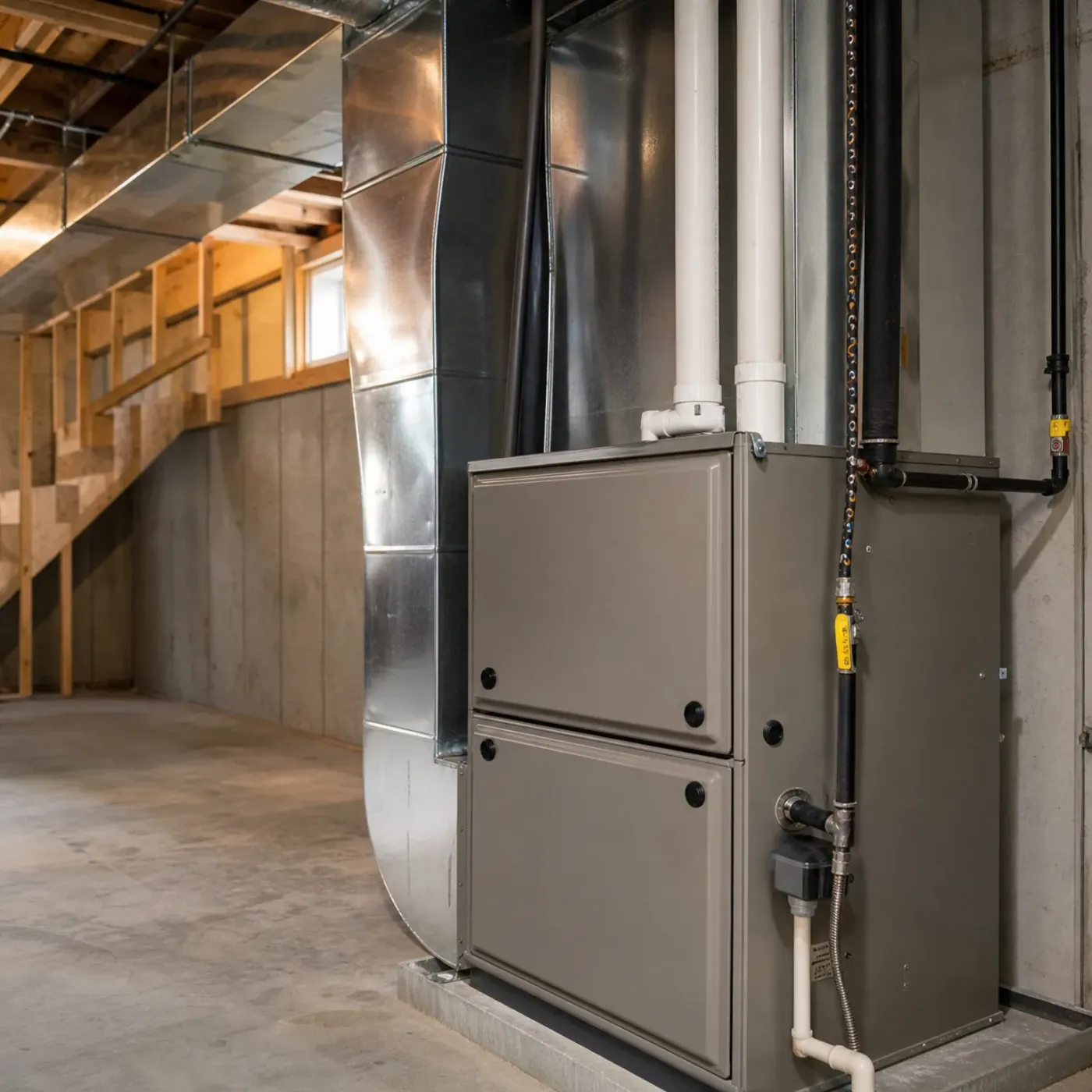
A gray high-efficiency furnace in an unfinished basement, connected to large galvanized sheet-metal ductwork, PVC vent pipes, a gas line and flexible conduit, with concrete walls, wood framing and a staircase in the background.

Skip calling around

The pro who reaches out is licensed in Rhode Island.

Explain the job once and skip repeating it on every call.

Skip the search

No charge to send it. You decide if you hire them.

Is the cold room doing more than just bothering you

Walk into that room and you'll feel it right away, the air sits cooler than the hallway outside it. The thermostat somewhere else in the house reads fine, so the furnace thinks its job is done. You've probably noticed the vent in there barely puts out air, or the air it does put out feels lukewarm compared to other rooms. Shut the door and it gets worse, not better. If there's a bedroom on the other side of that cold wall, whoever sleeps there is reaching for an extra blanket every night from December through February. A space heater running in that room adds to a power bill that's already one of the higher ones in the country, and it's working around the problem instead of fixing it.

A gray high-efficiency furnace with white PVC vent pipes stands on a concrete pad in a basement, beside sheet-metal ductwork, copper piping and a poured concrete wall with wood framing at left.

The furnace heating the house the way it should

A furnace like this fires when the thermostat calls, runs its cycle, and shuts off clean. Air moves through the ductwork above at a steady rate, and every room gets its share, including the one that used to lag behind.

A beige gas furnace in a basement with a metal flue pipe, galvanized sheet-metal ductwork to its left, and gas and water pipes along the concrete wall to its right.

The furnace losing ground room by room

An older unit like this can still run fine on paper and still leave one room short, if a damper's stuck, a duct run is blocked, or the blower can't push enough air that far. A contractor who works on these furnaces every winter can find which one it is.

A beige metal furnace with a louvered front panel stands on a concrete floor against a concrete wall, connected to galvanized sheet-metal ductwork and a metal pipe.
Before you get your furnace repair
A gray high-efficiency furnace stands on a concrete basement floor beside sheet-metal ductwork, with white PVC vent pipes and a black flexible line running up to exposed wood floor joists, next to a wood-framed post against a concrete wall.
After you get your furnace repair

A duct run losing heat

Air cools as it travels, and the room farthest from the furnace loses the most heat before it ever gets there. A contractor can check whether that run is sized and sealed right.

Skip the calls

One call, not three

A local contractor who works on furnaces all winter knows what usually causes one room to run cold, instead of you explaining the problem to several companies.

Skip the calls

Winter nights average 23°F statewide

At 23°F, a furnace that's already struggling to push heat down a long duct run has even less margin to spare. The room at the end of that run feels the gap first, and on nights this cold, it stays cold until the furnace gets looked at.

NOAA nClimDiv 1991-2020 county normals weighted by homes

You could keep closing the vent in the next room over and running a space heater in the cold one, working around it every winter the way you have been.

Or a contractor who works on furnaces and ductwork all winter in Rhode Island can find out why that room loses its heat and fix it, so you stop managing it every January.

A woman with shoulder-length dark brown hair in a cream knit cardigan sits in an upholstered armchair beside a window, looking off to the side, with a white bookshelf and potted plant blurred behind her.
A woman with her hair in a bun sits wrapped in a beige knitted blanket on a couch, holding a sleeping child against her chest in a warmly lit room with a lamp and houseplant in the background.
A closed silver laptop and a white cup of coffee on a saucer sit on a wooden table in front of a wooden chair, a plain beige wall, a potted leafy plant and a window with greenery outside.

What actually happens between the furnace and that one register

A gas furnace heats air at the cabinet, then pushes it out through a trunk line that splits into smaller branch ducts, one for each room. The blower is sized to move a certain amount of air through the whole system at once, not to favor any one branch. If a branch run is long, narrow, or has a few more turns than the others, less air comes out the other end, and that register runs cooler than the rest of the house even though the furnace itself is working fine.

That's a duct problem, not a furnace problem, and it takes someone who can get into the ductwork and check airflow at each register to find it, not just someone who can swap a part on the furnace. Rather than calling around to find a contractor who does both furnace repair and duct work, explaining the cold room to each one, and sorting through different answers, you get matched with one local contractor who handles both and can tell you which it is.

A large weathered ceramic vase and a shallow wooden bowl sit on a rustic wooden table beside a window with linen curtains, with a blurred sofa with cushions and a hanging fabric panel in the background.
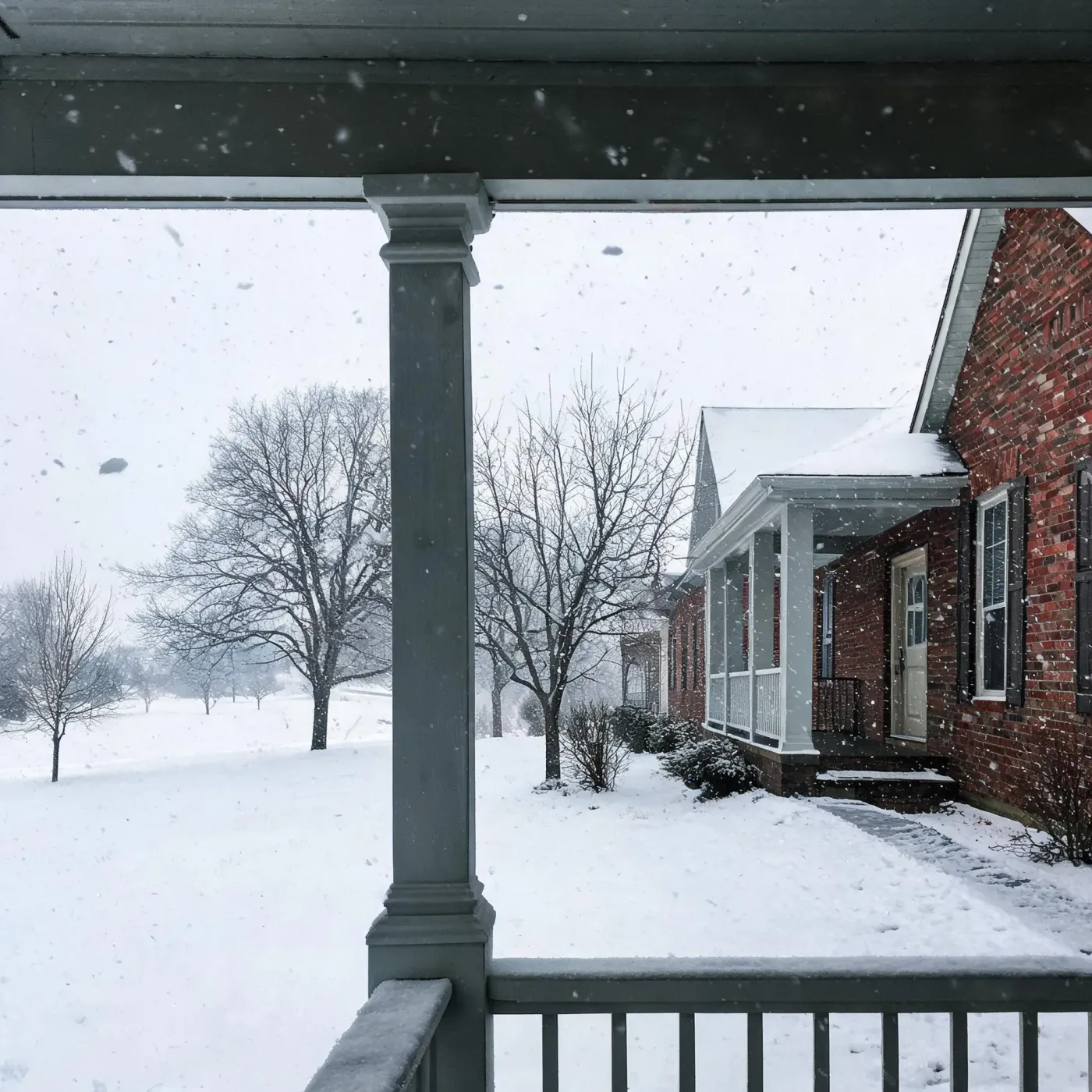
View from a covered porch with a square column and railing toward a neighboring red brick house with a white-columned porch, bare trees and snow-covered ground during falling snow.

Statewide, winter nights average 23°F, and that's the stretch when a marginal duct run shows itself. Colder air takes more heat to warm, so the furnace runs longer to keep up, and a run that's already losing air along the way loses more of it on a night like this. The room at the far end feels that first. You'll notice it as the vent barely pushing warm air, or the room settling several degrees below the rest of the house by morning. Source: NOAA climate normals.

NOAA nClimDiv 1991-2020 county normals weighted by homes

That one cold room isn't bad luck, and it isn't something you have to manage every winter with a space heater and a closed door. It's a duct run losing air, a damper sitting half shut, or a furnace that isn't pushing the way it used to. Any of those has a cause a contractor can find by looking at the run and the equipment, not by guessing. A local contractor who works on furnaces and ductwork all winter in Rhode Island has seen that same cold-room complaint plenty of times and knows where to check first. You'll hear from one contractor, not a handful of companies competing for the job, so there's no sorting through calls or repeating yourself to each one. You already know which room it is and roughly when it gets bad. What's left is getting someone qualified to open things up and find out why.

A gray high-efficiency furnace with two white PVC vent pipes stands in an unfinished basement beside galvanized sheet-metal ductwork, with insulated wood-framed walls and piping behind it.

No phone calls to make

Step 1 of 3: Equipment