

Why your furnace makes a banging noise in Rhode Island
Send the request today and stop worrying about who to call.
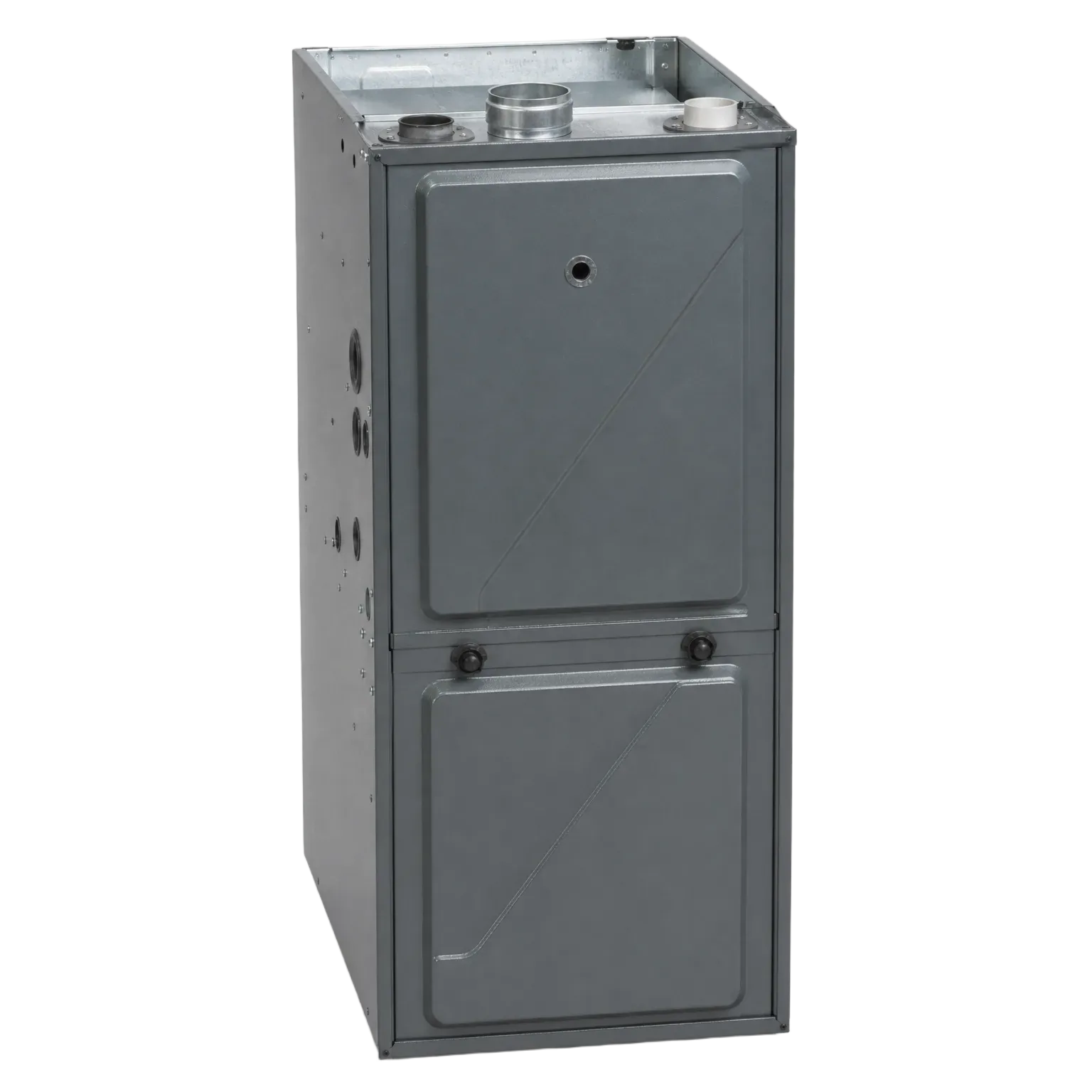
Hand it overA banging sound when your furnace starts is usually a delayed ignition. Gas builds up in the burner chamber for a few seconds before it lights, and when it finally catches, it ignites all at once instead of burning smoothly. That small explosion is what you hear as a bang. A dirty burner or a failing igniter is often the cause, since either one can delay the flame enough to let gas collect first. Banging partway through a cycle is a different problem, usually the metal ductwork expanding or contracting as it heats up, which is more of an annoyance than a danger. Delayed ignition is not something to leave alone. It puts stress on the heat exchanger every time it happens, and in a Rhode Island winter, your furnace is firing up many times a day. A furnace tech can look at the burner and igniter and tell you which one it is.
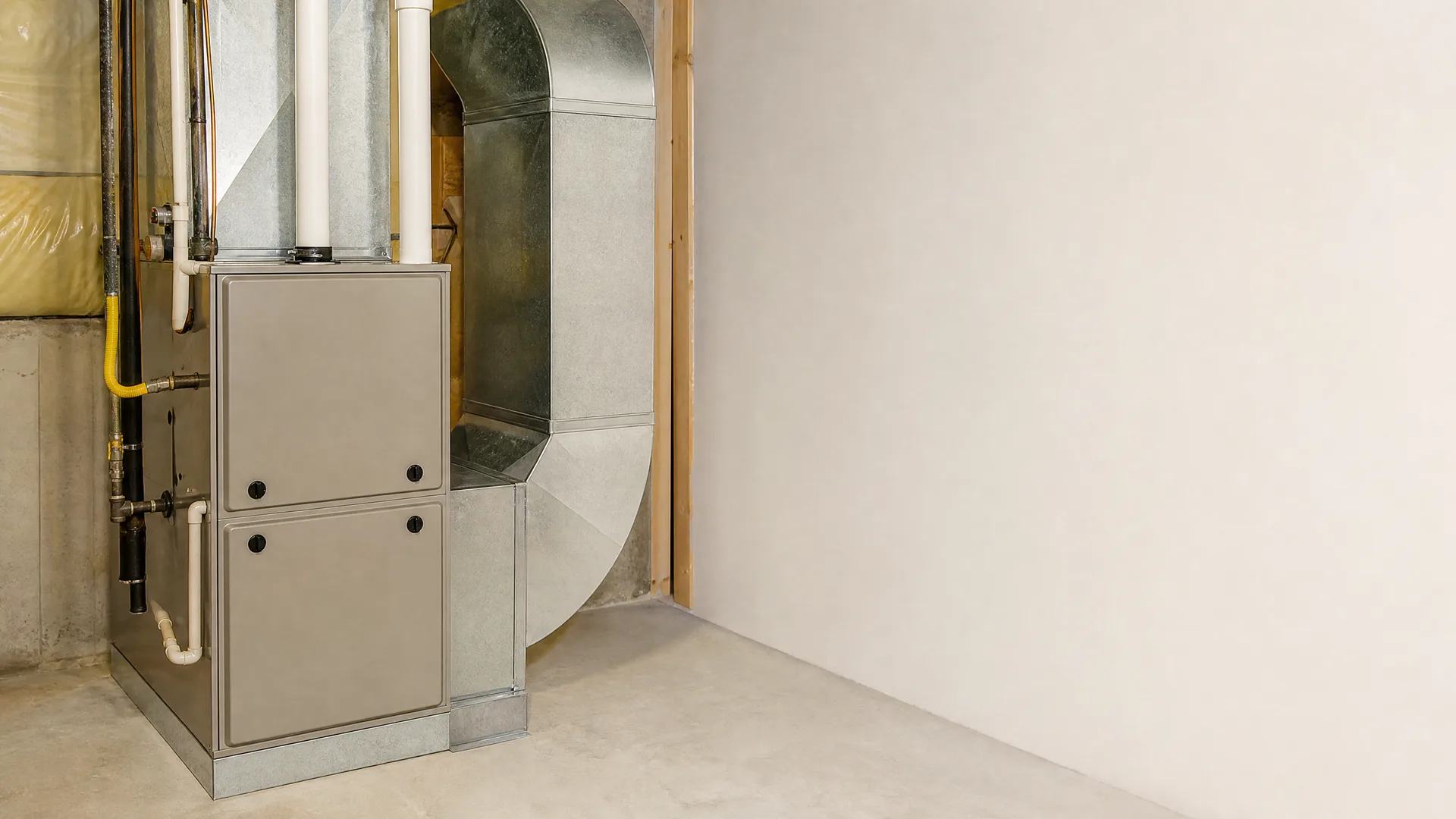
What causes the delay
A dirty burner or a failing igniter is usually behind it. Burners coated with rust or dust don't light cleanly, so gas pools before it catches. An igniter that's weakening does the same thing. It glows too dim or too slow to light the gas the moment it's released, so more of it gathers first. Either way, the fix is the same part needing cleaning or replacement, not the whole furnace.
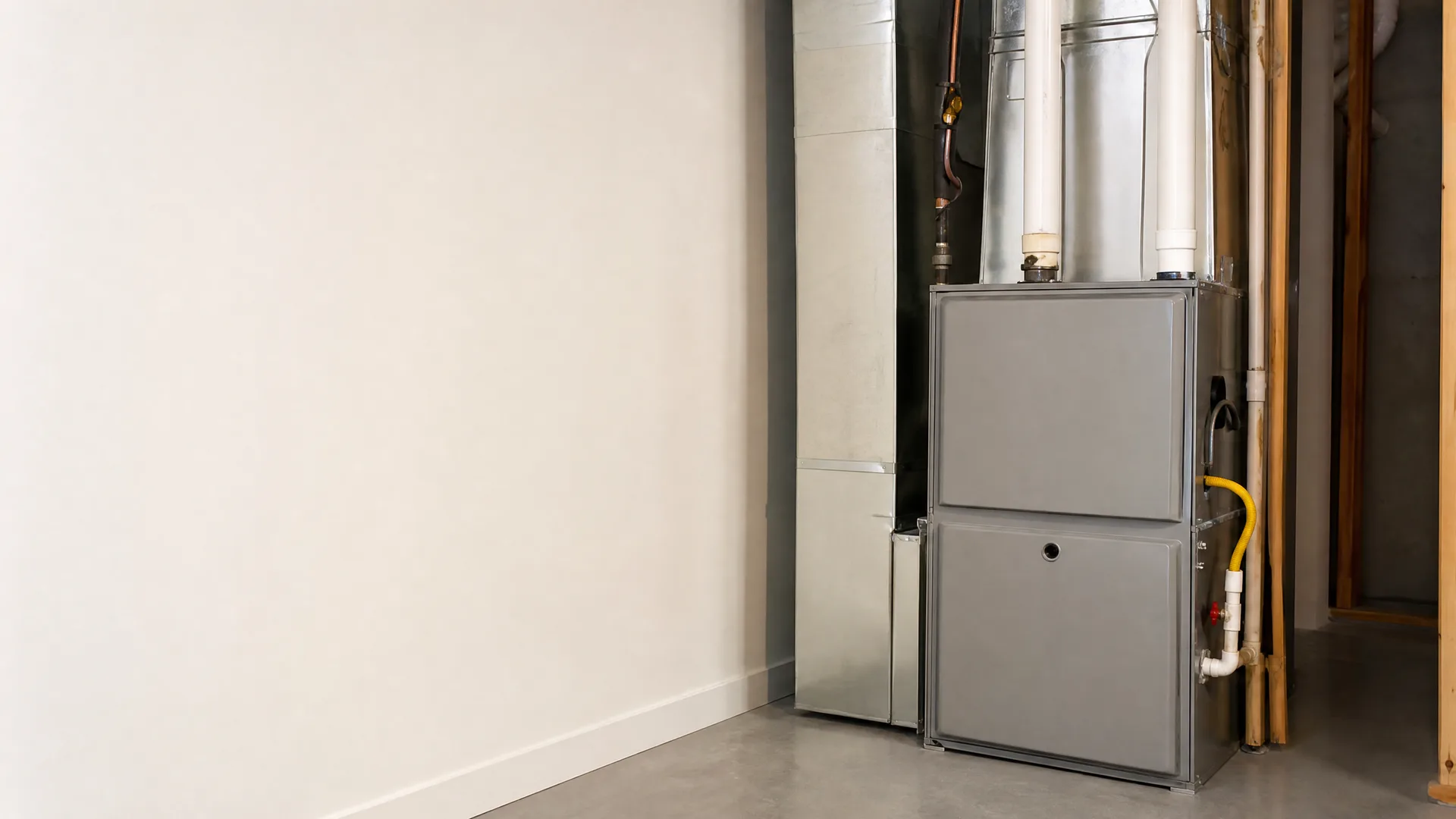
Why it gets worse over time
Each delayed ignition stresses the heat exchanger a little more. The small blast hits the same metal surface every time your furnace cycles on, and with gas furnaces running hard through a Rhode Island winter, that can mean dozens of cycles a day. A crack in the heat exchanger is a bigger problem than a dirty burner, and it's one a contractor checks for whenever banging shows up on startup.
Is that bang in your furnace something to worry about?
You hear it when the furnace kicks on, a bang or a thud from down in the basement or the closet where the unit sits, loud enough that it carries through the floor. It might happen every cycle or just when the system has been off for a while, like overnight. If it's left alone, the delayed ignition behind it keeps stressing the same spot in the burner chamber or the heat exchanger every time the furnace fires, and that's the part of your system that isn't supposed to crack. A furnace that bangs on every start, all winter, in a Rhode Island house, is wearing on something that's expensive to replace and not cheap to run around if it fails when you need heat most.







Burner coated in rust or dust won't light clean
Gas seeps out and pools before it catches
Igniter glows too weak or slow to light it
Pooled gas ignites all at once with a bang
Why does my furnace only bang when it's really cold out?
Why does my furnace only bang when it's really cold out?
Cold gas and cold metal both light slower, so the bang shows up on the harshest nights
Gas moving through cold supply lines is denser and the burner itself is colder, so ignition takes a beat longer than it does in milder weather. That extra beat is enough for more gas to collect before it catches. On a January night in Rhode Island, with the furnace running long cycles back to back, a borderline igniter or a burner that's partly dirty gets pushed past the point where it still lights cleanly. The same furnace might start fine on a 45 degree morning and bang every time once it's in the teens. It's not the cold causing the problem. It's the cold exposing a part that was already failing.
Winter nights average 23°F statewide, according to NOAA, and that's the stretch when a delayed-ignition bang tends to show up loudest. Cold gas lights slower, so on those nights your furnace may pool a little more before it catches, and the thud carries easier through cold, quiet air. If you're hearing it start to happen on milder nights too, that's usually the burner or igniter losing ground, not the weather. A furnace repair contractor working Rhode Island winters sees this pattern every season and knows which one it is before they even pull the burner tray. You'd be matched with one local contractor, licensed for the work, so it's a single call back instead of a handful of companies competing for the job.
NOAA nClimDiv 1991-2020 county normals weighted by homes
Done looking for a furnace pro
Your request stays with one local pro.
Sending the form costs nothing.
Leave it alone and see
You keep running the furnace as is and see what happens. A lot of Rhode Island homeowners do this for a season or two, and plenty of the time nothing gets worse. If it's one bang at startup and then quiet, that's the burner catching a little slow, not a furnace falling apart. You lose nothing by watching it through a few cold nights, especially if it only shows up when it's near freezing outside. The risk is that a dirty burner or a weak igniter doesn't fix itself. Rust keeps building, the igniter keeps weakening, and a sound that was minor in November can be louder and more frequent by February.
Have it looked at now
A gas furnace tech can pull the burner assembly, check it for rust and dust, and test the igniter's glow and timing in under an hour. If the burner just needs cleaning, that's a quick fix and the banging stops for good. If the igniter is on its way out, replacing it now means you're not doing it on the coldest night of the year when it finally fails to light at all. Since gas furnaces run most of the winter here, a tech who works on this equipment every season knows what a delayed ignition in a Rhode Island furnace usually turns out to be, and can tell you in one visit whether it's the burner, the igniter, or something else.


You keep waiting to see if the bang gets worse, checking in on it every cold snap without really knowing what you're listening for.
A technician who works on furnaces all winter can look at the burner and the igniter once and tell you which one is causing it and what it takes to fix.
Winter nights average 23°F statewide
Those nights in the 20s are exactly when your furnace runs longest and cycles most. More cycles means more chances for gas to pool before it lights, so the bang you hear tends to be loudest on the coldest nights of the year.
NOAA nClimDiv 1991-2020 county normals weighted by homes
What the bang is telling you
- A bang at startup almost always comes down to a burner that's dirty or an igniter that's going weak.
- One or two thuds that settle into a quiet cycle usually just means the burner is catching a little slow, not failing.
- Banging that happens every cycle, or that's gotten louder since last winter, means gas is pooling more than it should.
- Rust or dust visible around the burners is something a technician can check and clean in the same visit.
- A furnace tech who works on these units all winter in Rhode Island has usually seen the same bang in a dozen other basements.
- Sending one request gets you one local contractor looking at your furnace, not a handful of companies calling about the same job.
A bang when your furnace starts almost always traces back to the same two things: a burner that isn't lighting clean, or an igniter that's lost its strength. Gas pools for a second or two longer than it should, then catches all at once instead of catching smooth. That's the thud you hear from the basement or the closet.
What matters now is which pattern you've got. One or two bangs at startup, then a quiet cycle the rest of the way, usually just means the burner is a little slow to catch. That's worth watching, not panicking over. Banging on every cycle, or banging that's louder than it was last winter, means more gas is pooling before it lights than it used to, and that's worth having someone look at. If you can see rust or dust around the burners, that's often the cause, and it's something a technician can clean in the same visit they diagnose it in.
A furnace technician who works through a full Rhode Island winter sees this exact bang over and over, in basement after basement, so there's rarely any guesswork in figuring out whether it's the burner or the igniter. Send one request and you get one local contractor looking at your specific furnace, not a string of callbacks from companies competing for the job. Whichever pattern you're hearing, you now know what it means and what to check for before anyone comes out.
It's off your list after this