Most furnace calls are the igniter or the flame sensor
Both are small parts a contractor can test in minutes. Neither one means the whole furnace is at risk, just that it needs a hand before the next cold night.
Stop chasing a furnace pro
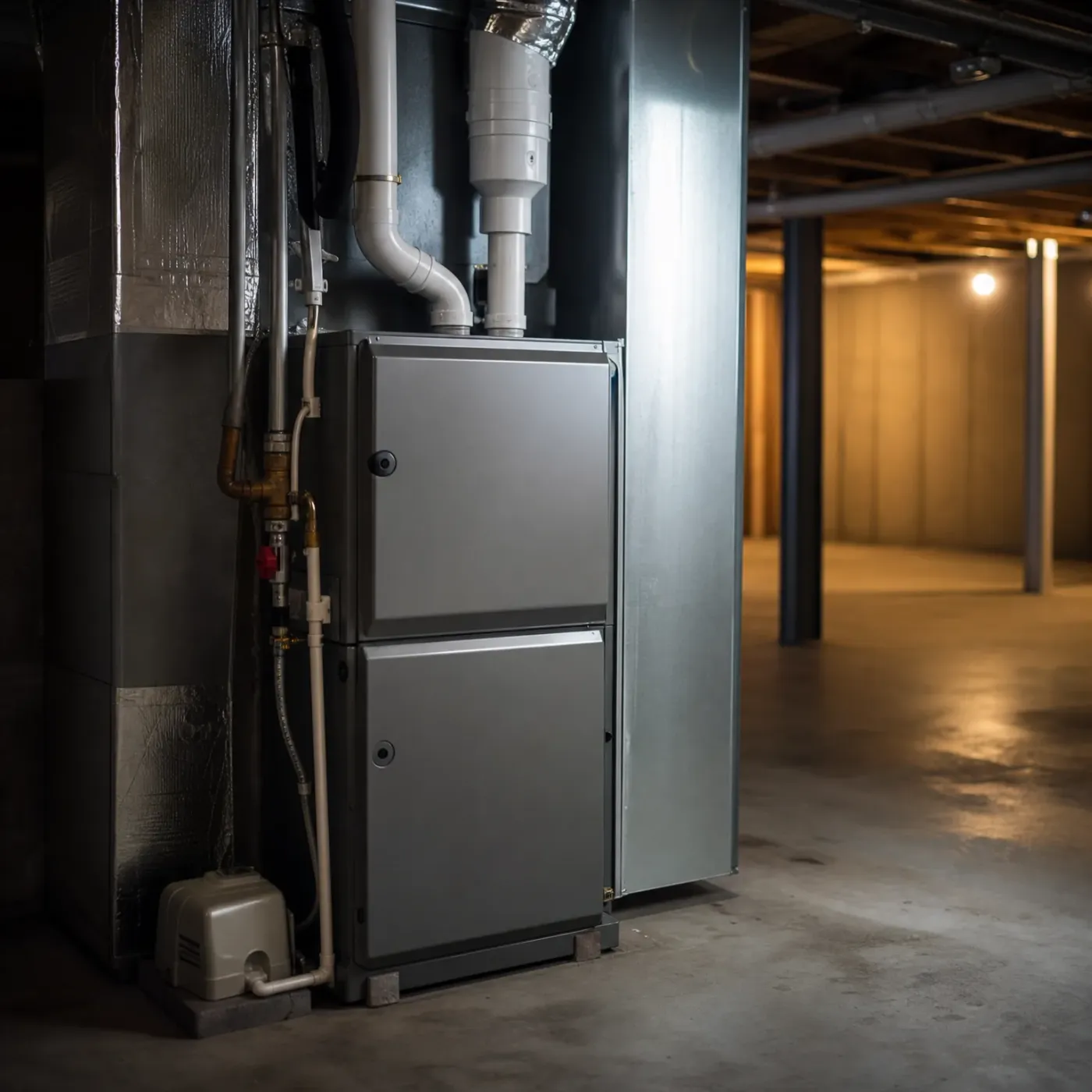
A furnace that won't start on a cold Rhode Island night usually comes down to a short list of causes, from a bad igniter to a thermostat issue to the gas supply itself. This page walks through what tends to cause it. Send the form and skip the part where you're calling around trying to find someone who can come out.
Send it todayA furnace that won't fire up on a cold night is usually one of a few things. The igniter can fail quietly, a hot surface element or a spark that just stops lighting the burners. The flame sensor can get a thin coat of residue on it and tell the furnace to shut off even though gas is flowing fine. A thermostat set wrong, with dead batteries, or wired loose can read the room as warm when it isn't. Sometimes it's simpler: a clogged filter chokes airflow until a safety switch cuts the furnace off to protect it, or a draft inducer motor won't start, so the unit never gets to the point of lighting at all. None of these fix themselves overnight, and running a gas furnace with a safety switch tripped isn't something to force past. What matters right now is knowing it's one of a short list of parts, not a mystery, and that a furnace that won't start on a 20 degree night needs looking at the same night, not whenever it's convenient.


Nothing happens the instant your thermostat calls for heat. The control board runs through a sequence first, checking a safety switch on the furnace door to confirm the panel is seated right. Then the inducer motor kicks on to clear the exhaust, and it has to prove it's moving before the board will do anything else. That proof usually comes from a pressure switch. If the vent pipe outside is blocked with snow or ice, or the condensate line is clogged, that switch never closes, and the board stops right there. No gas flows, no igniter, nothing. If the pressure switch does close, the igniter gets its turn, either glowing hot or sparking, but it only gets one or two attempts. A weak igniter can draw power and still not get hot enough to light the burners, and it fails without setting off any alarm you'd notice. Assuming it lights, the flame sensor has a few seconds to detect that flame. If it doesn't, the board shuts the gas valve again rather than let gas keep flowing with nothing burning it off. After three failed tries through this sequence, the furnace locks itself out. At that point it stops trying on its own, and something in that chain, the switch, the igniter, the sensor, needs attention before it will run again.


Both are small parts a contractor can test in minutes. Neither one means the whole furnace is at risk, just that it needs a hand before the next cold night.
Running space heaters while the furnace sits dead adds up fast on an electric bill already among the highest in the country. A quick repair stops that.




A furnace that won't light on a January night in Rhode Island doesn't wait for business hours, and finding someone who can look at it tonight usually means working through a list of HVAC companies, sitting on hold, explaining the same thing to three different dispatchers, then waiting on quotes to see who's fair. Most gas heat here runs through a cold stretch that doesn't let up, and electric heat costs more here than almost anywhere else in the country, so a furnace sitting dead isn't something to sit on while you shop around. Send the form and that search is done. One contractor gets your information and the house is warm again without you spending the evening on the phone comparing strangers. The igniter or flame sensor causing the trouble isn't going away on its own, and the sooner someone qualified looks at it, the sooner the thermostat stops being a decoration on the wall.
Thermostat calls for heat and signals the control board directly.
Control board checks the door switch and limit switch first.
Inducer motor spins up to clear the heat exchanger of exhaust.
Pressure switch confirms the inducer is running before gas opens.
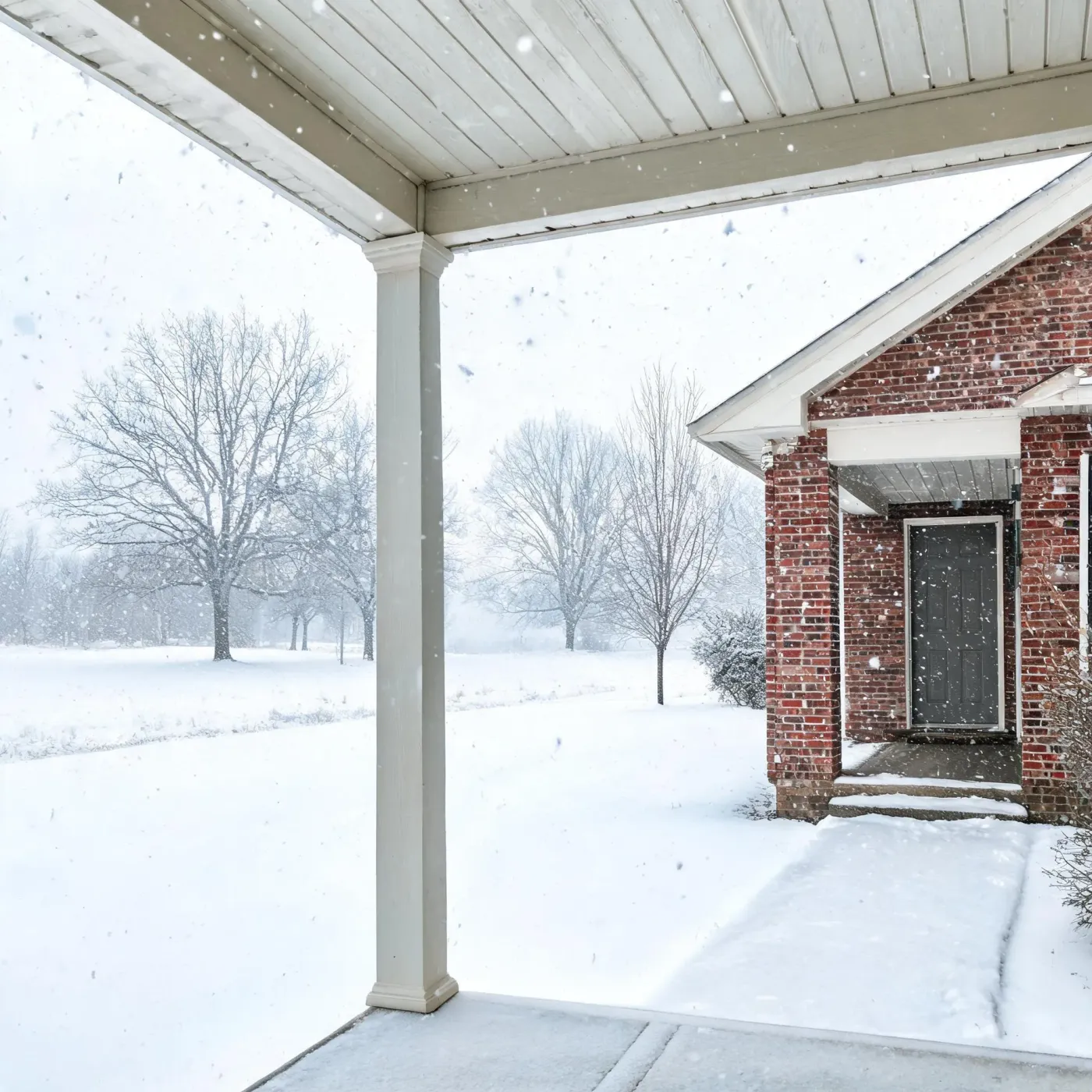
Winter nights across Rhode Island average 23°F, according to NOAA climate data. That's cold enough that a furnace isn't cycling on and off anymore, it's running long stretches just to hold the house steady. Every part that gets a furnace going, the igniter, the inducer motor, the pressure switch, is working harder and more often on a night like that. If one of them is already weak, a cold snap is when it gives out, usually right when you need heat most. A furnace that's been limping along in milder weather can stop fighting altogether once the temperature drops into the 20s and stays there overnight.
NOAA nClimDiv 1991-2020 county normals weighted by homes

A furnace that won't light in a Rhode Island winter is almost always a small part asking for attention, the igniter, the flame sensor, the pressure switch, or the gas supply behind it. None of those mean the furnace is done. They mean it needs a contractor's hands on it before the next cold night sets in.
Once the form is in, that search is off your plate. You're not calling around to five companies, sitting on hold, or explaining the same no-heat problem over and over to whoever picks up. You send the details once, and the work of finding someone who can look at your furnace becomes someone else's job instead of yours.


Finding a pro stops being your job