Tell us about the job
Takes about a minute. No obligation.
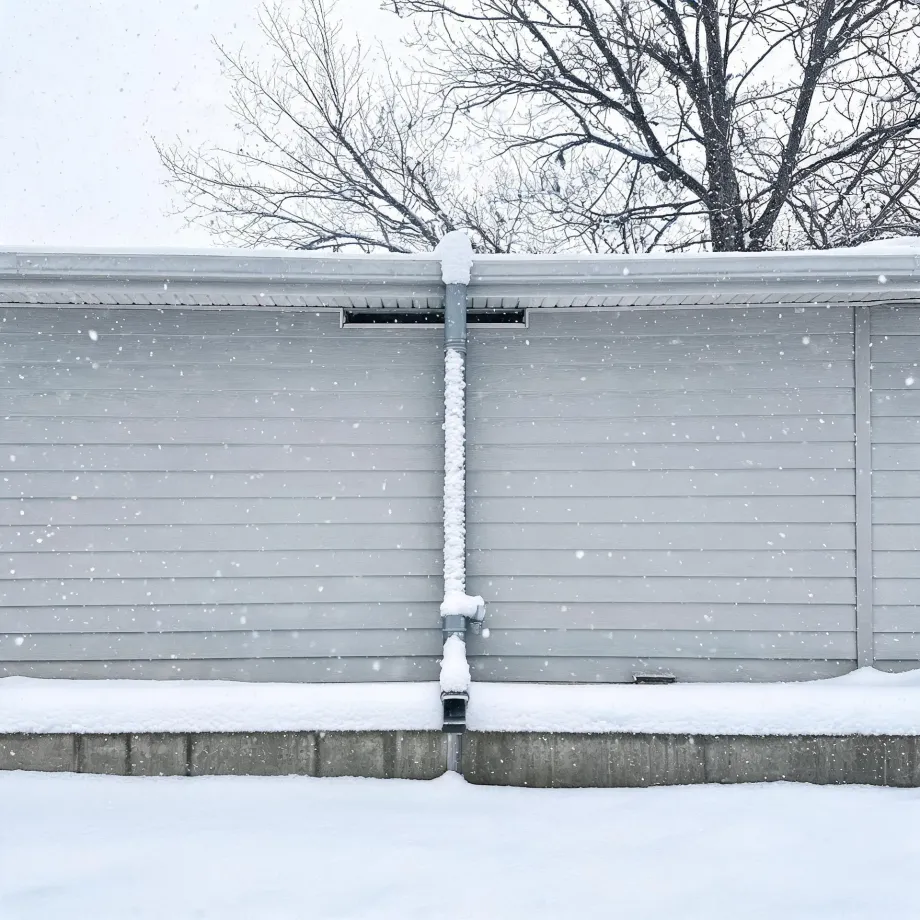
Sizing a furnace for this house is not a generic calculation. The burner, heat exchanger, and ignition system have to be matched to what Bristol County actually asks of them. Homes in Bristol County, RI run heat about eight months a year, from October through May. A system installed slightly undersized will run longer cycles to hold temperature, and the heat exchanger accumulates stress from that pattern across every season. Contractors pricing a new install here factor in that the equipment gets little time off, so a marginal spec that might hold up elsewhere shows failures sooner on these streets.
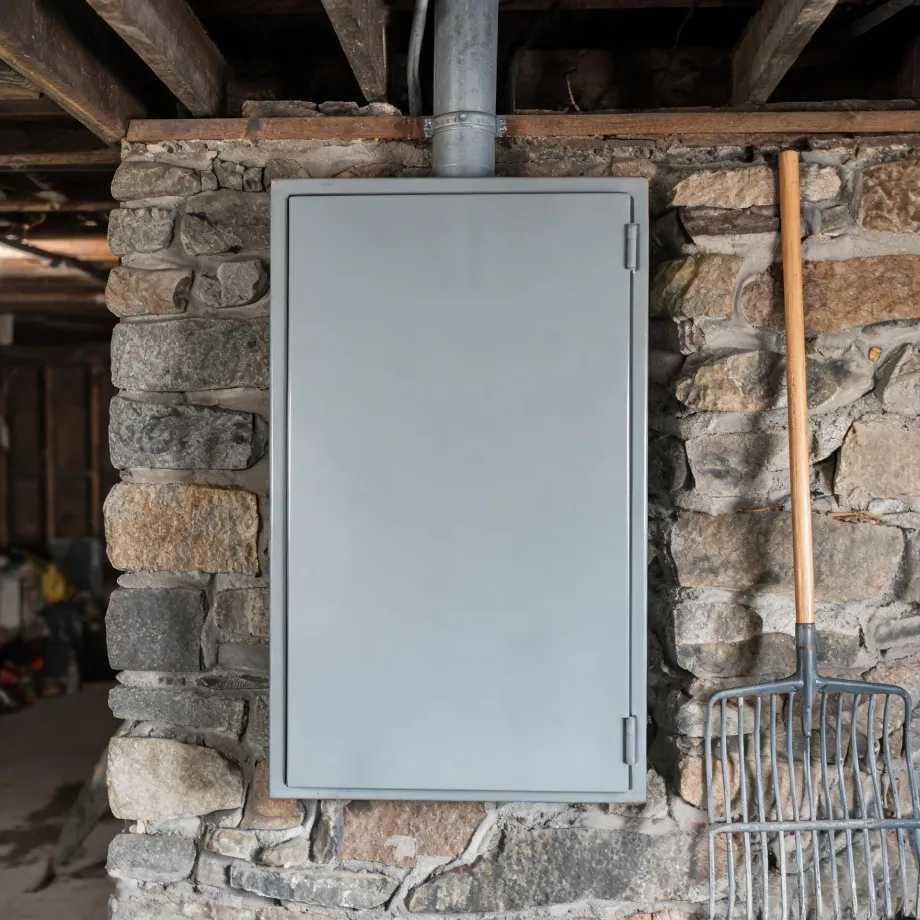
Existing ductwork is the first thing a contractor has to price in Bristol County, and in much of the stock here, that ductwork was laid out for a system that is no longer in the house. Half the homes in Bristol County, Rhode Island were built in 1957 or earlier (2020-2024 ACS 5-year). Trunks and runs sized for an older furnace often cannot move the air volume a new one requires, which means the installation quote turns on what is behind the walls as much as what sits in the mechanical room. The electrical is a second question: service panels in houses of this vintage were not drawn up with today's equipment loads in mind.
What Gets Installed With a New Furnace
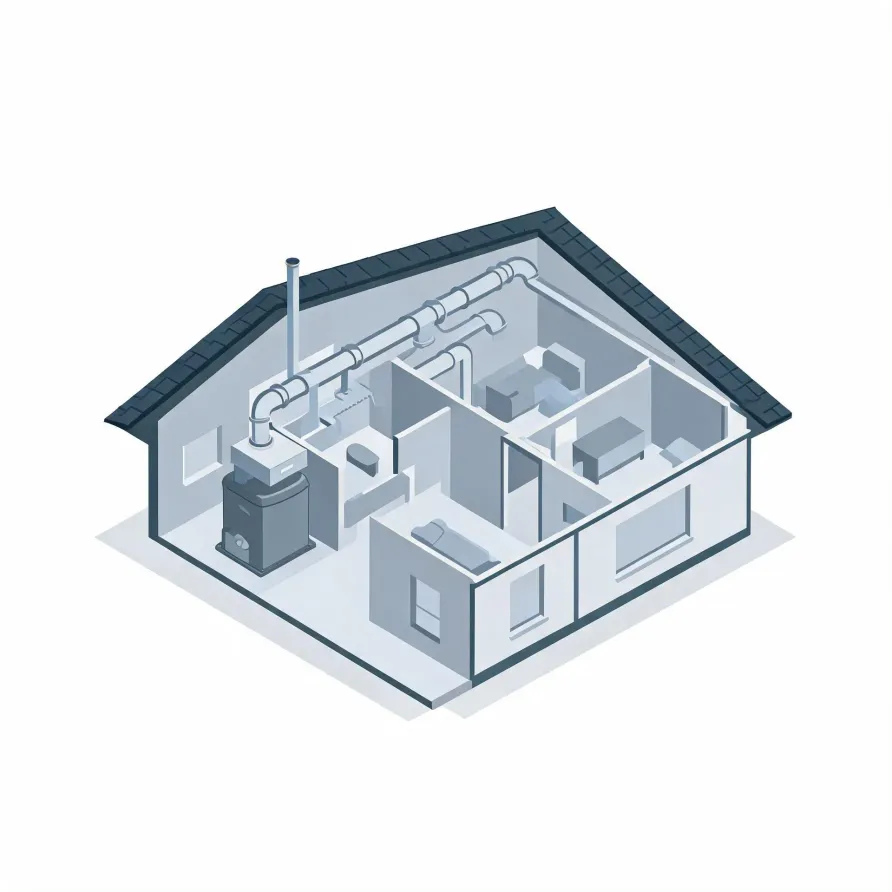
The furnace itself sits inside the house, most often in a basement, utility room, or closet. That cabinet is what a homeowner buys: it holds the burner, the heat exchanger, and the blower that pushes conditioned air into the supply side of the duct system. The thermostat mounts on a main living-area wall and is the control point for the whole system.
The flue pipe runs from the furnace to an exterior wall or up through the roof, carrying combustion exhaust out of the house. Alongside the furnace, a contractor also sets the filter housing and connects the gas line. On high-efficiency models, a condensate drain line runs to a floor drain or utility sink nearby.
The drawing shows a typical layout, and a licensed contractor determines exactly what applies to your house.
Find a contractor in Bristol CountyBristol County, Rhode Island, by the numbers
55 severe weather events were recorded in Bristol County, Rhode Island between 2015 and 2024.
NOAA National Centers for Environmental Information, Storm Events Database, bulk CSV export, events 2015-01-01 through 2024-12-31.Half the homes in Bristol County, Rhode Island were built in 1957 or earlier (2020-2024 ACS 5-year).
U.S. Census Bureau, 2020-2024 American Community Survey 5-Year EstimatesBristol County, Rhode Island holds 21,615 housing units (2020-2024 ACS 5-year).
U.S. Census Bureau, 2020-2024 American Community Survey 5-Year EstimatesOwners occupy 71.8% of the occupied homes in Bristol County, Rhode Island (2020-2024 ACS 5-year).
U.S. Census Bureau, 2020-2024 American Community Survey 5-Year EstimatesFurnace Installation Rules for Bristol County, Rhode Island6 codes & standards
What a furnace installation looks like in Bristol County
Non-weatherized gas furnaces manufactured on or after November 19, 2015 must reach 80.0 percent AFUE.
Non-weatherized oil-fired furnaces manufactured on or after November 19, 2015 must reach 83.0 percent AFUE.
Mobile home gas furnaces manufactured on or after November 19, 2015 must reach 80.0 percent AFUE.
Non-weatherized gas furnaces manufactured on or after December 18, 2028 must reach 95.0 percent AFUE, up from the 80.0 percent minimum that applies to units manufactured before that date.
Licensing Rules for HVAC Work in Bristol County, Rhode Island
A Rhode Island master licensee needs no separate sheet metal licence while the air handling equipment is ten (10) tons or less, or the heating equipment does not exceed 250,000 BTUs; above either figure the sheet metal work must be subcontracted to a licensed sheet metal contractor.
Rhode Island requires a licence from the Department of Labor and Training to work in the mechanical trades: nobody may hold themselves out as a master, or advertise that they will install refrigeration and air conditioning or air distribution systems, without one.
Weather Stress on HVAC Equipment in Bristol County
Furnaces in Bristol County work against whatever the local climate throws at them, and storm events put direct load on heating systems through pressure swings, power disruption, and temperature extremes that force equipment to cycle harder. That workload shapes what a furnace needs to handle and what a contractor here sizes and installs for.
55 severe weather events, 2015–2024. Source: NOAA National Centers for Environmental Information, Storm Events Database.