Tell us about the job
Takes about a minute. No obligation.
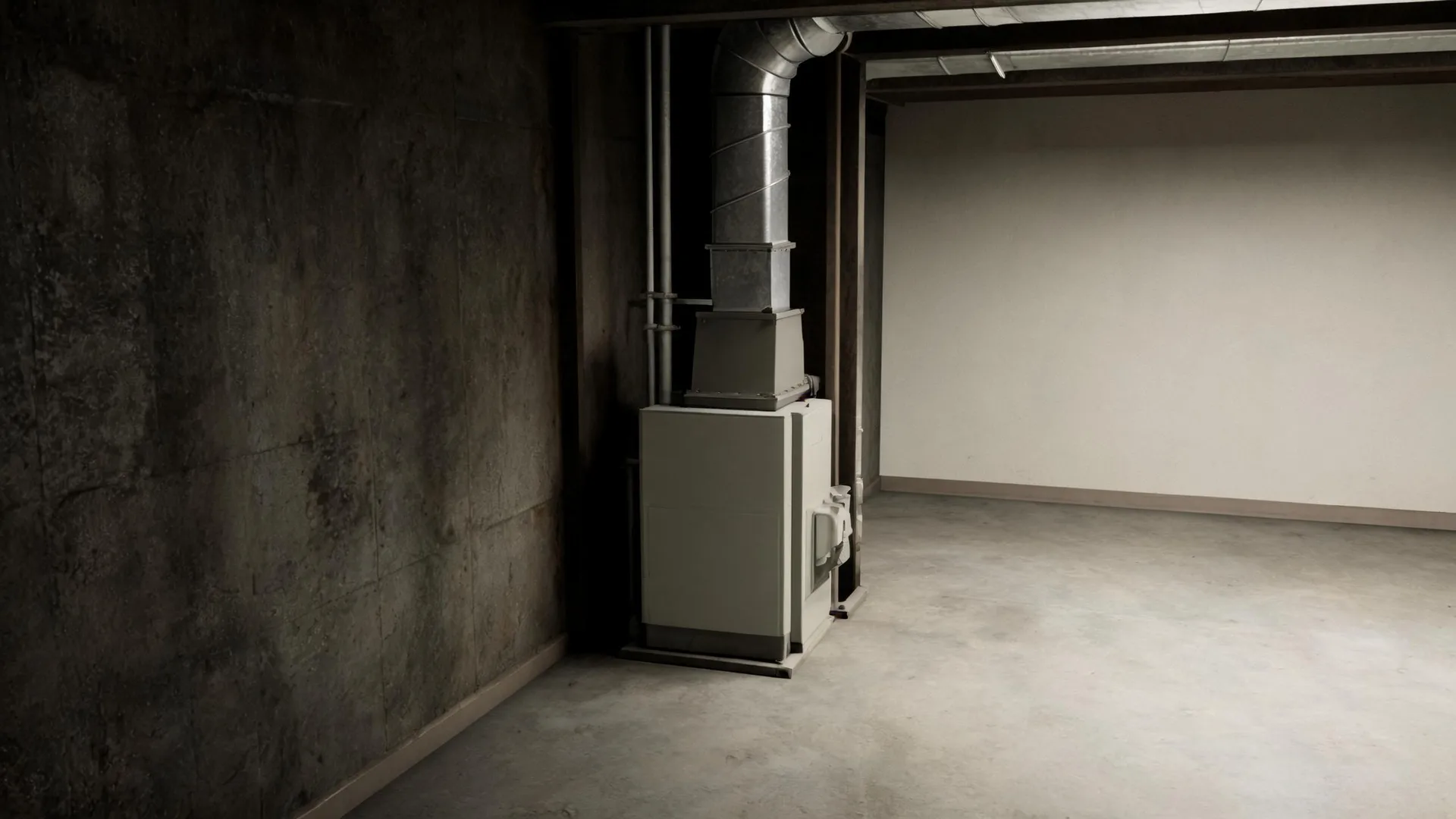
Sizing a furnace for this house means accounting for what the burner, heat exchanger, and ignition system are actually asked to carry each year. Homes in Kent County, RI run heat about eight months a year, from October through May. A contractor quoting a replacement here has to get the load calculation right before anything else, because an undersized unit cycles harder and more often, and the stress lands on the components that were already marginal at the time of install. Poor ductwork sealing or a miscalculated fuel input does not stay hidden long under that kind of demand. The heat exchanger is where the consequences of a rushed install show first.
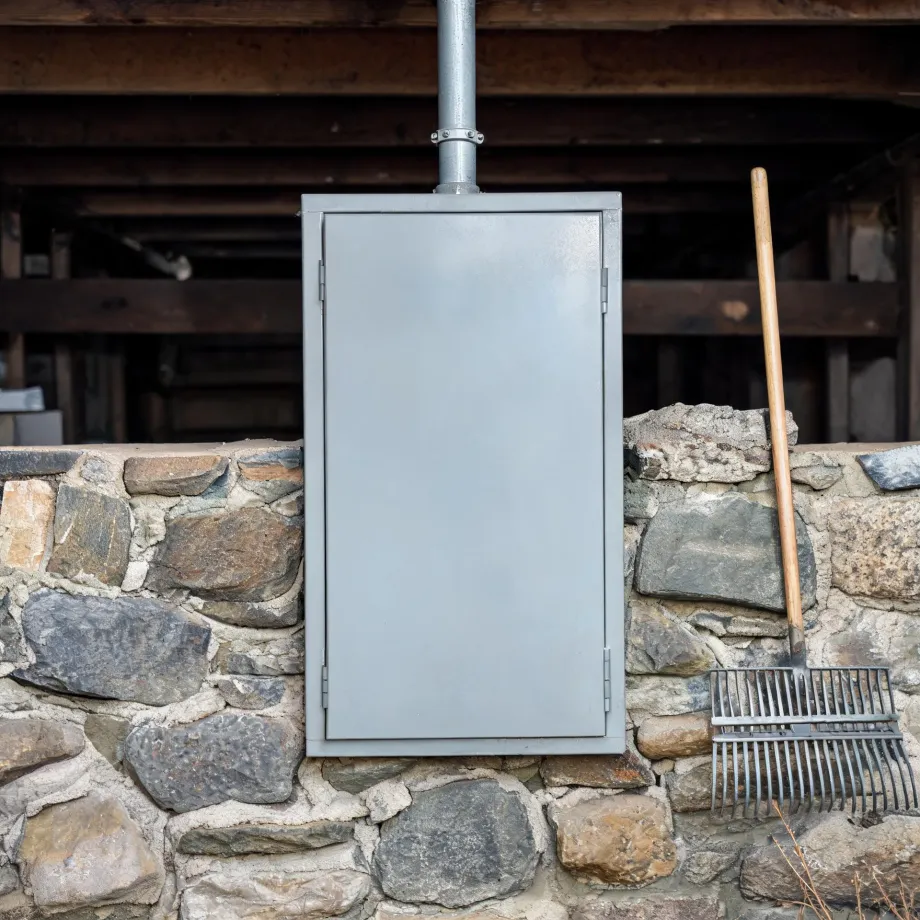
Ductwork in a house this old was designed around whatever heated it originally, and a new furnace has to run through what is already in the walls. Half the homes in Kent County, Rhode Island were built in 1967 or earlier (2020-2024 ACS 5-year). A contractor installing a furnace here has to trace what the existing trunk lines can actually carry, not what they were labeled to carry, and where returns are cut matters as much as where the unit sits. Electrical service in stock of this vintage was sized for a different load profile, so that gets checked before anything else is quoted.
What Gets Installed With a New Furnace
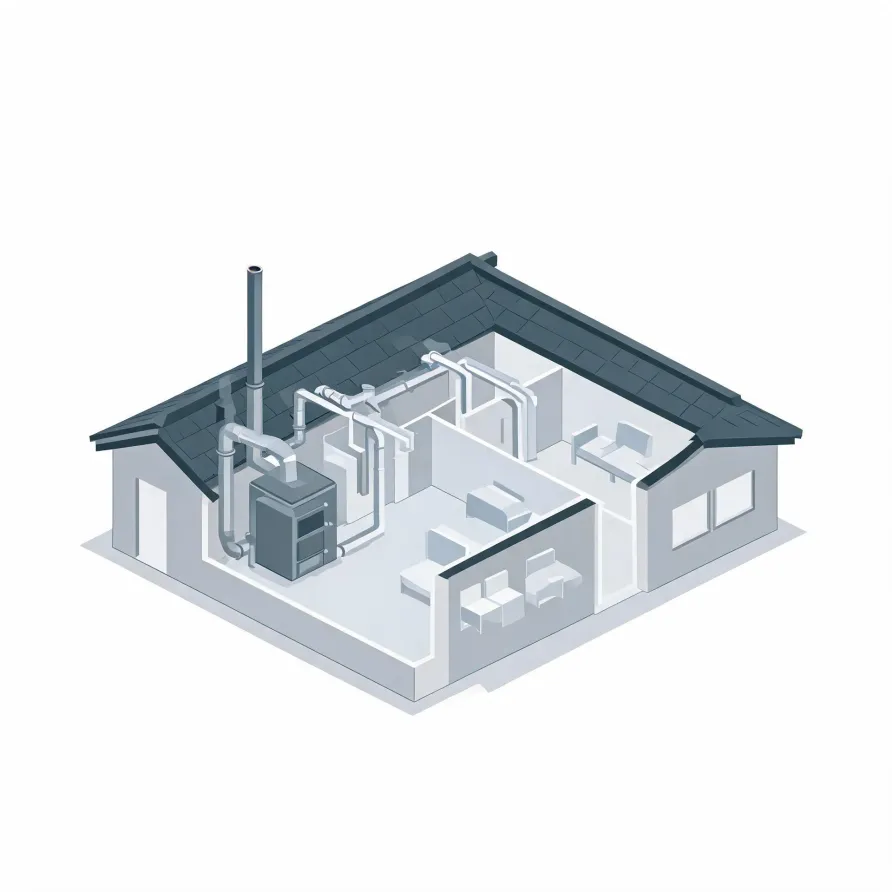
The furnace itself sits in a basement, utility room, or closet and is the unit a homeowner would walk past every day without thinking much about it. Inside the cabinet, a burner assembly and a heat exchanger do the combustion work, while a blower motor pushes conditioned air out into the house.
A flue pipe runs from the furnace up and out of the house to vent combustion gases safely away. Alongside that, a contractor installs a new thermostat on an interior wall to give the homeowner control over the system, and a fresh air intake where the unit requires one.
The drawing shows a typical layout, and a licensed contractor determines exactly what applies to this house.
Find a contractor in Kent CountyKent County, by the numbers
146 severe weather events were recorded in Kent County, Rhode Island between 2015 and 2024.
NOAA National Centers for Environmental Information, Storm Events Database, bulk CSV export, events 2015-01-01 through 2024-12-31.Half the homes in Kent County, Rhode Island were built in 1967 or earlier (2020-2024 ACS 5-year).
U.S. Census Bureau, 2020-2024 American Community Survey 5-Year EstimatesKent County, Rhode Island holds 76,529 housing units (2020-2024 ACS 5-year).
U.S. Census Bureau, 2020-2024 American Community Survey 5-Year EstimatesOwners occupy 73.1% of the occupied homes in Kent County, Rhode Island (2020-2024 ACS 5-year).
U.S. Census Bureau, 2020-2024 American Community Survey 5-Year EstimatesFurnace Installation Rules & Standards for Kent County, Rhode Island6 codes, laws, and standards
What Furnace Installation Looks Like in Kent County
Non-weatherized gas furnaces manufactured on or after November 19, 2015 must reach 80.0 percent AFUE.
Non-weatherized oil-fired furnaces manufactured on or after November 19, 2015 must reach 83.0 percent AFUE.
Mobile home gas furnaces manufactured on or after November 19, 2015 must reach 80.0 percent AFUE.
Non-weatherized gas furnaces manufactured on or after December 18, 2028 must reach 95.0 percent AFUE, up from the 80.0 percent minimum that applies to units manufactured before that date.
Licensing and Legal Requirements in Kent County, Rhode Island
A Rhode Island master licensee needs no separate sheet metal licence while the air handling equipment is ten (10) tons or less, or the heating equipment does not exceed 250,000 BTUs; above either figure the sheet metal work must be subcontracted to a licensed sheet metal contractor.
Rhode Island requires a licence from the Department of Labor and Training to work in the mechanical trades: nobody may hold themselves out as a master, or advertise that they will install refrigeration and air conditioning or air distribution systems, without one.
Severe Weather Events in Kent County
Rhode Island weather puts real demand on residential heating equipment, and Kent County furnaces work against whatever the climate delivers. How hard a furnace works over its life is a local question, and the record of weather events here is part of that picture.
146 severe weather events, 2015–2024. Source: NOAA National Centers for Environmental Information, Storm Events Database.